


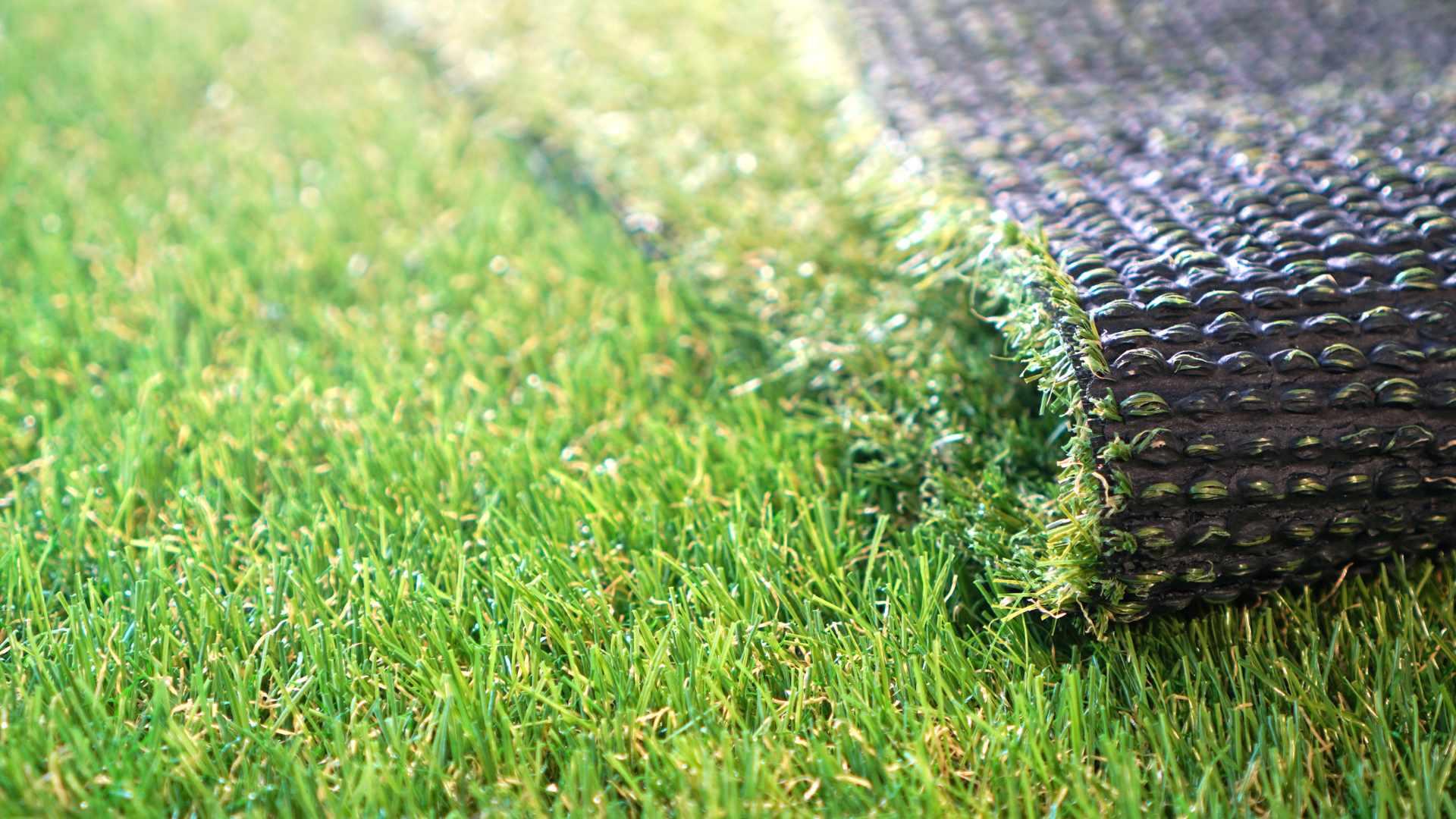
Natural Sod vs. Artificial Turf: A Comparative Analysis for Atlanta Landscapes
In this article, we will compare the pros and cons of natural sod and turf, considering factors such as cost, environmental impact, visual appeal, and suitability for Atlanta’s climate.
The choice between natural sod and artificial turf for landscaping in the Atlanta area is an important decision that can significantly impact the aesthetic appeal and maintenance requirements of outdoor spaces. While natural sod has been the traditional choice for many years, synthetic grass has gained popularity due to its low maintenance and durability. In this article, we will compare the pros and cons of natural sod and turf, considering factors such as cost, environmental impact, visual appeal, and suitability for Atlanta’s climate.
Cost Comparison of Natural Sod and Artificial Turf
Sod: Installing natural sod can be initially expensive, as it involves purchasing the grass rolls and hiring professionals for installation. However, the cost of sod has decreased over the years due to advancements in farming techniques. Long-term expenses may include fertilizers, water, and regular maintenance, such as mowing, aerating, and pest control.
Artificial Turf: While the upfront cost of artificial turf installation is higher than natural sod, the long-term costs are significantly lower. Once installed, artificial turf requires minimal maintenance and eliminates the need for watering, mowing, and fertilizing. However, occasional cleaning and repairs may be necessary over time.
Final Thoughts: Natural sod requires a lower upfront investment, but long-term costs can accumulate due to maintenance requirements. Artificial turf demands a higher initial investment but offers substantial savings in the long run, making it a more cost-effective option.
Environmental Impact of Natural Sod and Artificial Turf
Natural Sod: Natural sod has numerous environmental benefits. It improves air quality by trapping dust particles, reduces erosion, and absorbs carbon dioxide while releasing oxygen. Sod also helps to manage stormwater runoff by absorbing rainwater and replenishing the groundwater table. However, it requires regular watering, which can be a strain on water resources, especially during periods of drought.
Artificial Turf: One of the main advantages of artificial turf is its minimal environmental impact. It eliminates the need for pesticides, fertilizers, and water, reducing chemical runoff into water systems. Additionally, artificial turf does not require mowing, reducing noise and air pollution. However, its production process involves the use of synthetic materials and chemicals, and at the end of its life cycle, it can contribute to landfill waste.
Final Thoughts: While natural sod offers several environmental benefits, its water consumption and maintenance requirements pose challenges in water-scarce regions like Atlanta. Artificial turf presents a greener alternative in terms of reduced water usage and chemical runoff. However, the production and disposal of synthetic materials raise environmental concerns.
Visual Appeal of Natural Sod and Artificial Turf
Natural Sod: Natural sod provides a lush and vibrant appearance that many homeowners find appealing. It offers a natural texture, a variety of grass species to choose from, and the ability to easily repair damaged areas. The color and texture of natural sod can change with the seasons, creating a dynamic landscape.
Artificial Turf: Artificial turf provides a consistently green and well-manicured appearance throughout the year. It is designed to withstand heavy foot traffic and maintain its color regardless of weather conditions. However, some people may find the uniformity of artificial turf less visually appealing and lacking the natural charm of real grass.
Final Thoughts: The choice between natural sod and artificial turf ultimately depends on personal preference. Natural sod offers the beauty of a living landscape that changes with the seasons, while artificial turf provides a consistently groomed appearance.
Suitability for Atlanta’s Climate of Sod and Artificial Turf
Natural Sod: Choosing the right type of grass for Atlanta’s climate is crucial for the success of natural sod. Warm-season grasses, such as Bermuda and Zoysia, are commonly used in the area due to their tolerance for heat and drought. However, they may require additional watering during periods of extreme heat or prolonged drought. Additionally, natural sod can be susceptible to disease, pests, and damage from heavy rain or freezing temperatures.
Artificial Turf: Artificial turf is designed to withstand various weather conditions, making it suitable for Atlanta’s climate. It is resistant to drought, heat, and cold, ensuring a green lawn throughout the year. However, it may absorb heat and become hot to the touch during the summer months, requiring regular watering to cool it down.
Conclusion: Both natural sod and artificial turf can be suitable for Atlanta’s climate, but each has its own considerations. Natural sod requires careful selection of grass species and diligent maintenance during extreme weather conditions, while artificial turf offers consistent performance with minimal effort.
Should I Choose Natural Sod or Artificial Turf
Choosing between natural sod and artificial turf in the Atlanta area involves considering several factors. Natural sod offers the charm of a living landscape and a variety of grass species to choose from. It requires an upfront investment and regular maintenance but can provide a lush and vibrant appearance when properly cared for.
On the other hand, artificial turf provides a low-maintenance alternative with consistent visual appeal throughout the year. It requires a higher initial investment but offers long-term cost savings and minimal environmental impact. However, it may lack the natural aesthetics and cooling benefits of real grass.
Ultimately, the decision depends on individual preferences, budget, and the specific requirements of the landscape. Homeowners who prioritize a natural look and are willing to invest time and effort into maintenance may opt for natural sod. Those seeking a low-maintenance solution with long-term cost savings may lean towards artificial turf.
It is advisable to consult with landscaping professionals, like the ones at Venyscapes, to assess the specific needs of the property and to weigh the pros and cons of natural sod and artificial turf in light of personal preferences and environmental considerations.
Contact Venyscapes Today
Are you searching for expert landscaping services to transform your outdoor space with natural sod or artificial turf? Look no further than Venyscapes! Our team of experienced professionals is dedicated to creating beautiful and sustainable landscapes in the Atlanta area. Whether you desire the lush charm of natural sod or the low-maintenance convenience of artificial turf, we have the expertise to bring your vision to life. We understand the unique needs of Atlanta’s climate and can guide you in selecting the perfect solution for your specific requirements. Contact Venyscapes today to discuss your landscaping needs and let us help you create a stunning outdoor environment that you can enjoy for years to come.